Every case competition team eventually asks the same question. What case competition tools should we actually be using? The honest answer depends on where a team is in its journey, but a few tools consistently separate an average submission from a competition ready one, and knowing which case competition tools to reach for at which stage can save an enormous amount of time during a live round.
For most students starting out, the toolkit stays fairly basic. Canva and PowerPoint handle the design side, while LinkedIn and Pinterest become the go-to sources for visual inspiration. That is a completely reasonable starting point for anyone new to case competition preparation. But as competitions get more advanced, particularly ones that expect a working prototype rather than just a slide explaining an idea, the toolkit needs to expand alongside the ambition of the team. This is one of the more overlooked case competition tips for beginners: the tools that got a team through their first competition are rarely the ones that will carry them through their fifth.
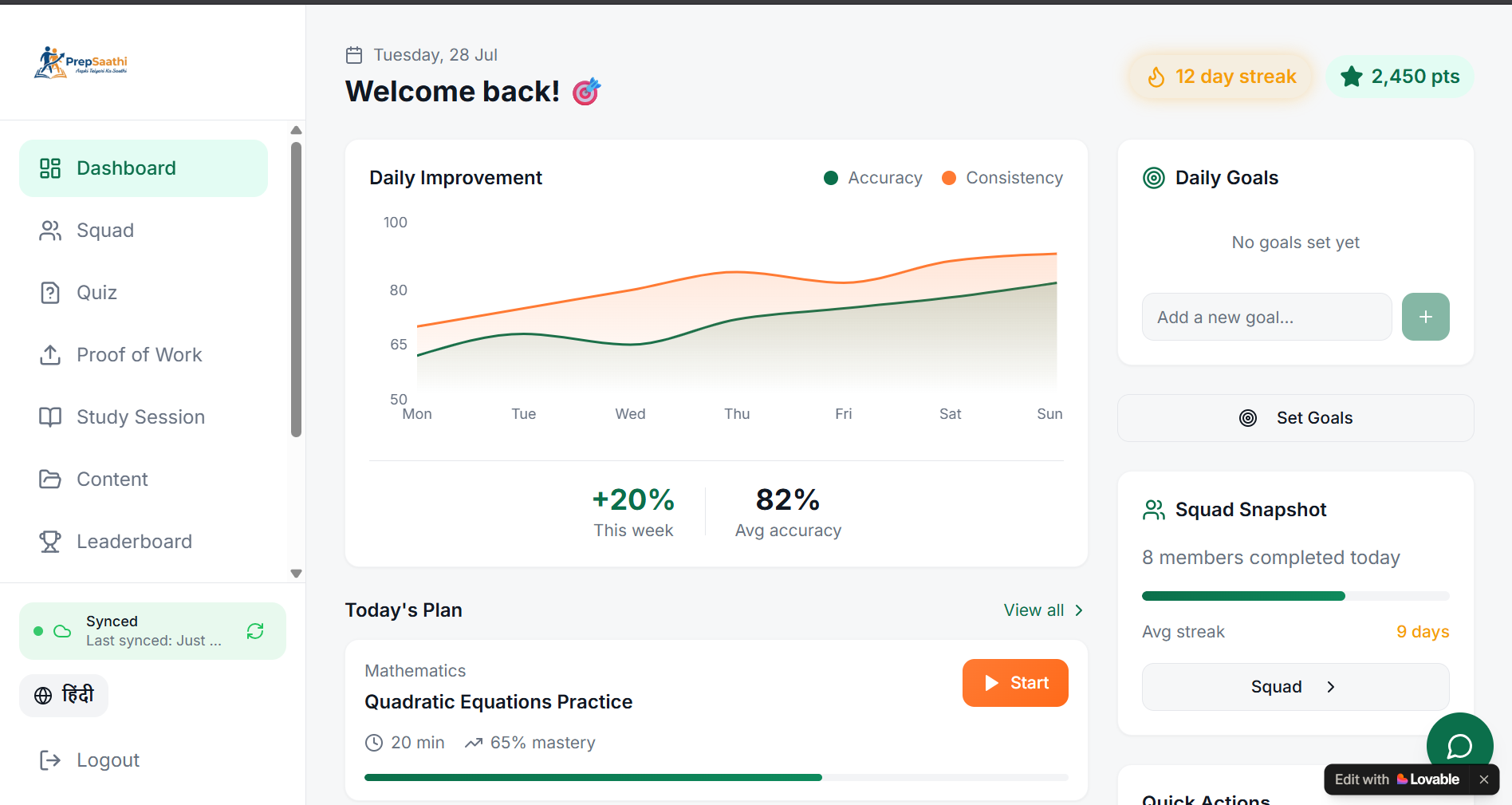
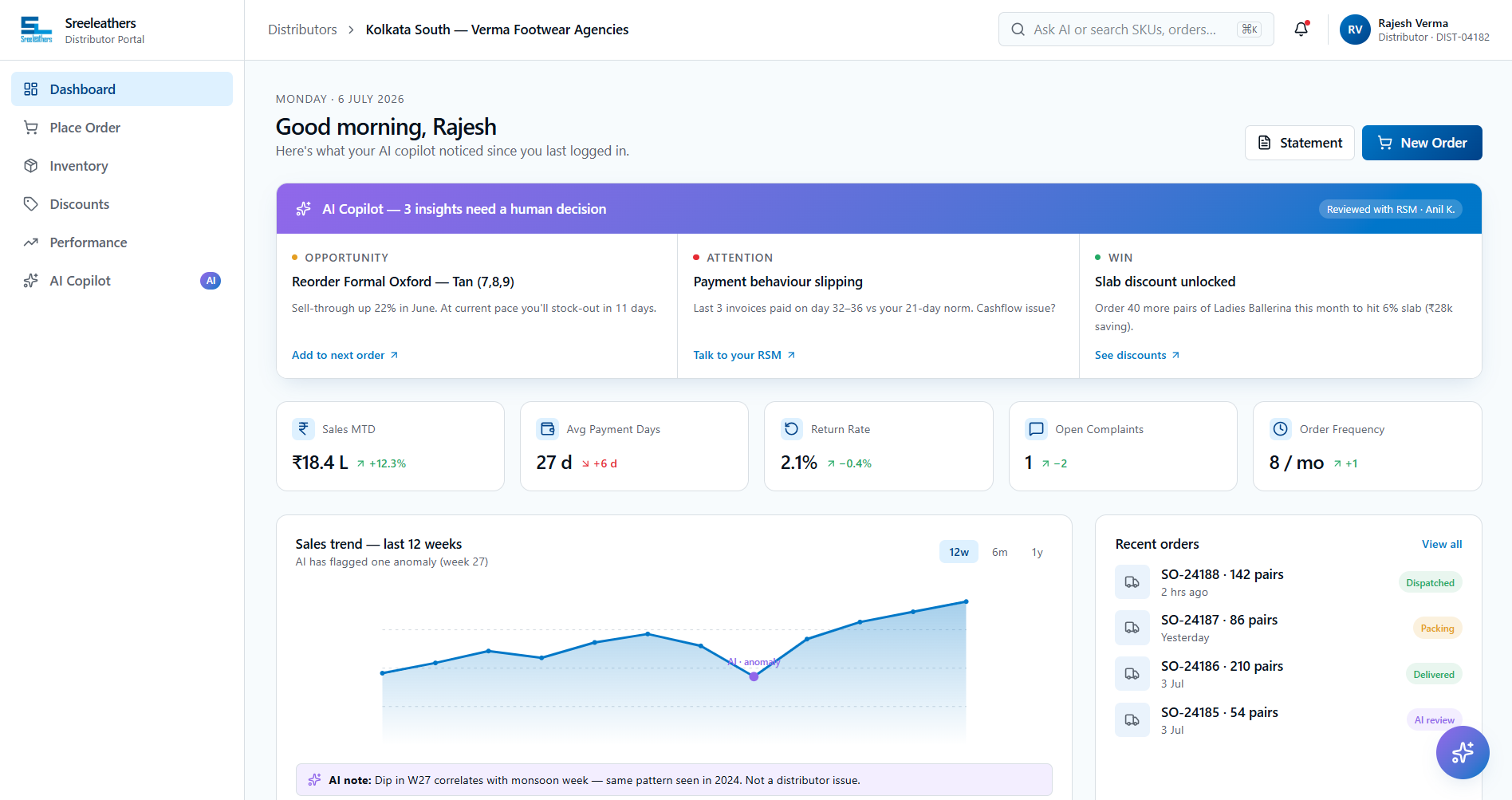
This is where tools like Loveable come in, useful for quickly building interactive prototypes when a case genuinely calls for a tangible solution rather than a static description of one. It can feel intimidating the first time a team tries it, but it saves hours compared to trying to explain a concept purely through slides. Judges tend to respond far better to something they can actually interact with rather than just imagine from a written description, and this is increasingly becoming a differentiator in higher level B-school case competitions across India. Teams that invest even a little time learning prototyping tools tend to stand out disproportionately compared to the effort involved.
On the visual side, moving away from generic stock icons toward sources like FlatIcon can instantly make a deck feel less templated and more original. It is a small change, but small changes add up quickly when a team is competing against dozens of visually similar decks in the same round. Judges see hundreds of case competition presentations over a season, and visual originality genuinely does register, even subconsciously. Case competition presentation tips rarely mention this, but visual fatigue is real, and a deck that looks distinct simply gets remembered longer.
The tool that has genuinely reshaped research workflows for many teams is Notebook LM. It helps process long, dense problem statements and industry reports quickly, pulling out what actually matters instead of forcing a team to reread the same case five times just to extract the core ask. This becomes especially valuable during live rounds where time pressure is real and clarity matters more than volume of information. Using AI tools for case competitions intelligently, rather than blindly, is quickly becoming a genuine skill in itself, almost as important as the case competition frameworks a team applies once the research is done.
That said, there is one principle worth repeating for every team relying on AI tools today. Use AI to understand a problem faster, never to think on the team’s behalf. The teams that consistently place well in case competition rankings are the ones who debate and build ideas together first, and only then use AI to validate, refine, or polish those ideas, never the other way around. Judges can tell the difference between a deck built on genuine team thinking and one that feels entirely AI generated from start to finish, and this distinction increasingly shapes final scores in serious case competition judging across B-school case competitions in India.
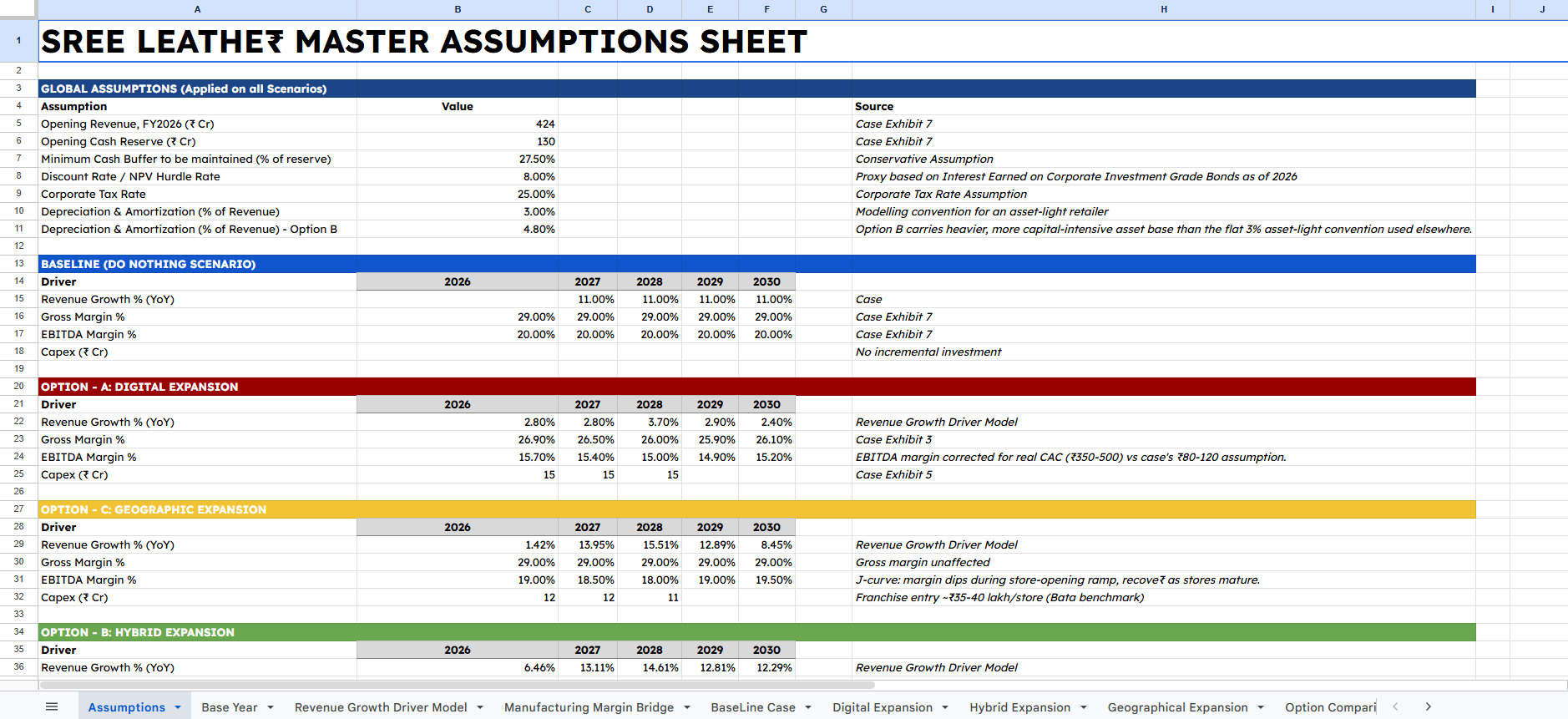
It is also worth remembering that tool selection should follow the case, not the other way around. A finance heavy case competition might lean more on Excel modeling and guesstimate tools, while a product or marketing case competition might lean more on prototyping tools like Loveable and visual storytelling platforms. Building comfort across a range of case competition tools, rather than mastering just one, tends to serve teams far better across the varied formats that different case competitions in India actually use.
Tools alone only take a team so far though. Real improvement comes from studying how winning teams actually applied these AI tools for case competitions inside real submissions, not just from watching generic tutorials online. That is exactly why our AI Prompt Library and framework repository exist on CaseBuzz, giving teams direct access to over 20 domain specific prompts and 70 plus case study frameworks for MBA students, so tool application can be studied in real context rather than just in theory. For anyone actively researching case competition tools or looking for structured guidance on how to win a case competition, this kind of contextual learning tends to matter far more than the tool itself, and it is exactly the gap most generic online guides on case competition preparation fail to fill.
Written by Saiprasad
A course on proven hacks, guides and everything to make you case competition ready.
Enroll now →