Here is something most students only learn after a few disappointing rounds. Case competitions are never just about having the right answer. They are about making a judge genuinely care about that answer within the two or three minutes they are actually paying attention to a slide. Mastering case competition presentation tips early can be the difference between a good solution going unnoticed and a good solution actually winning a national level B-school case competition.
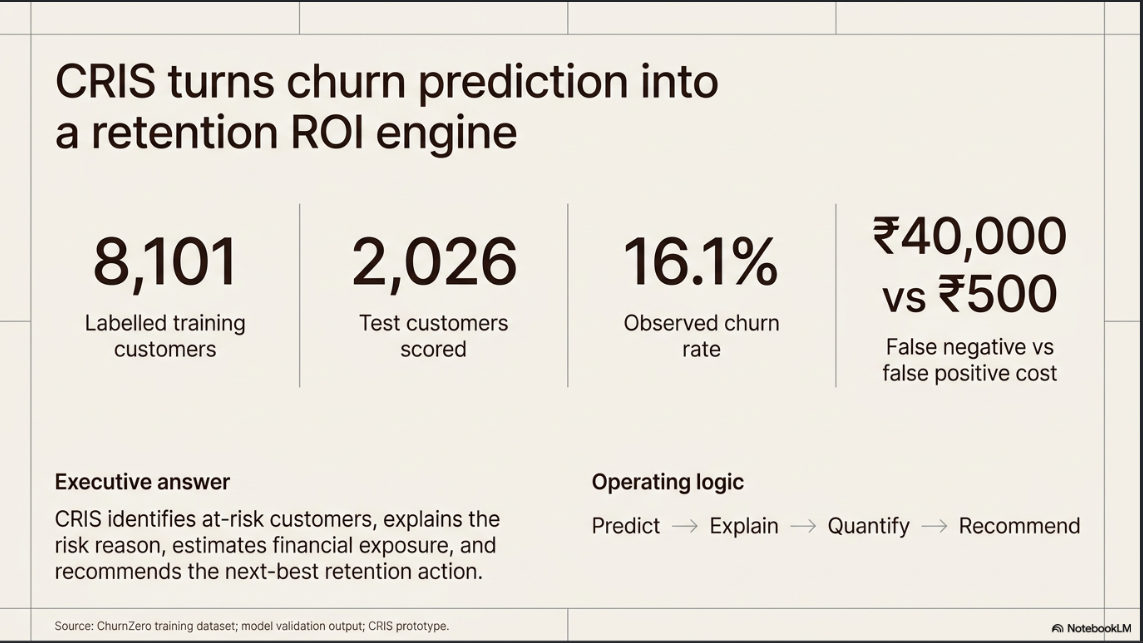
Plenty of teams get this part wrong early in their journey. It is common to generate a rushed presentation using AI without understanding proper structuring first, without knowing frameworks like Porter’s Five Forces or a clean MECE breakdown. It is equally common for teammates to clash during internal discussions, each person defending their own point rather than realizing it is meant to be a shared conversation, not an internal competition. These early stumbles are an expected part of any real case competition preparation process, not a sign that a team lacks potential, and almost every experienced case competition participant has a similar story from their first attempt.
The real shift usually happens once a team gets genuine exposure to how experienced peers structure their case competition presentations. Watching how winning teams break a broad, messy problem into clean, logical buckets before jumping into solutions changes the entire approach to solving a case. Instead of listing scattered ideas, the narrative starts flowing logically from problem, to hypothesis, to solution, which is exactly the structure most judges are quietly hoping to see in every case competition presentation they evaluate.
The actual turning point, though, is learning to tell a story instead of simply stating facts. During a well known policy based case competition presentation, one effective approach involved opening with a real world incident and tying the proposed solution directly back to it, instead of leading with dry statistics. Judges remember stories far longer than they remember another slide packed with bullet points, and this single shift in approach often does more for a final score than another hour spent on secondary research or polishing a slide’s design.
Attention spans today are shorter than ever, and case competition judges are certainly no exception. If a deck reads like a dense corporate report, half the room has mentally checked out before the key insight is even presented. Structuring a problem using the MECE framework, keeping buckets genuinely mutually exclusive, and letting the narrative carry the data rather than drowning it in numbers, is what separates an average deck from a genuinely memorable one. This is precisely why case competition presentation tips around storytelling and structure tend to matter just as much as the strength of the underlying solution being proposed.
Beyond storytelling, pacing matters just as much in live case competition presentations. Teams often spend too long on the industry overview and rush through the actual recommendation, which is usually the part judges care about the most. A well framed case competition presentation typically spends more time on the “so what” than on the “what is happening,” and this small pacing shift alone has changed outcomes in several national level case competitions across India.
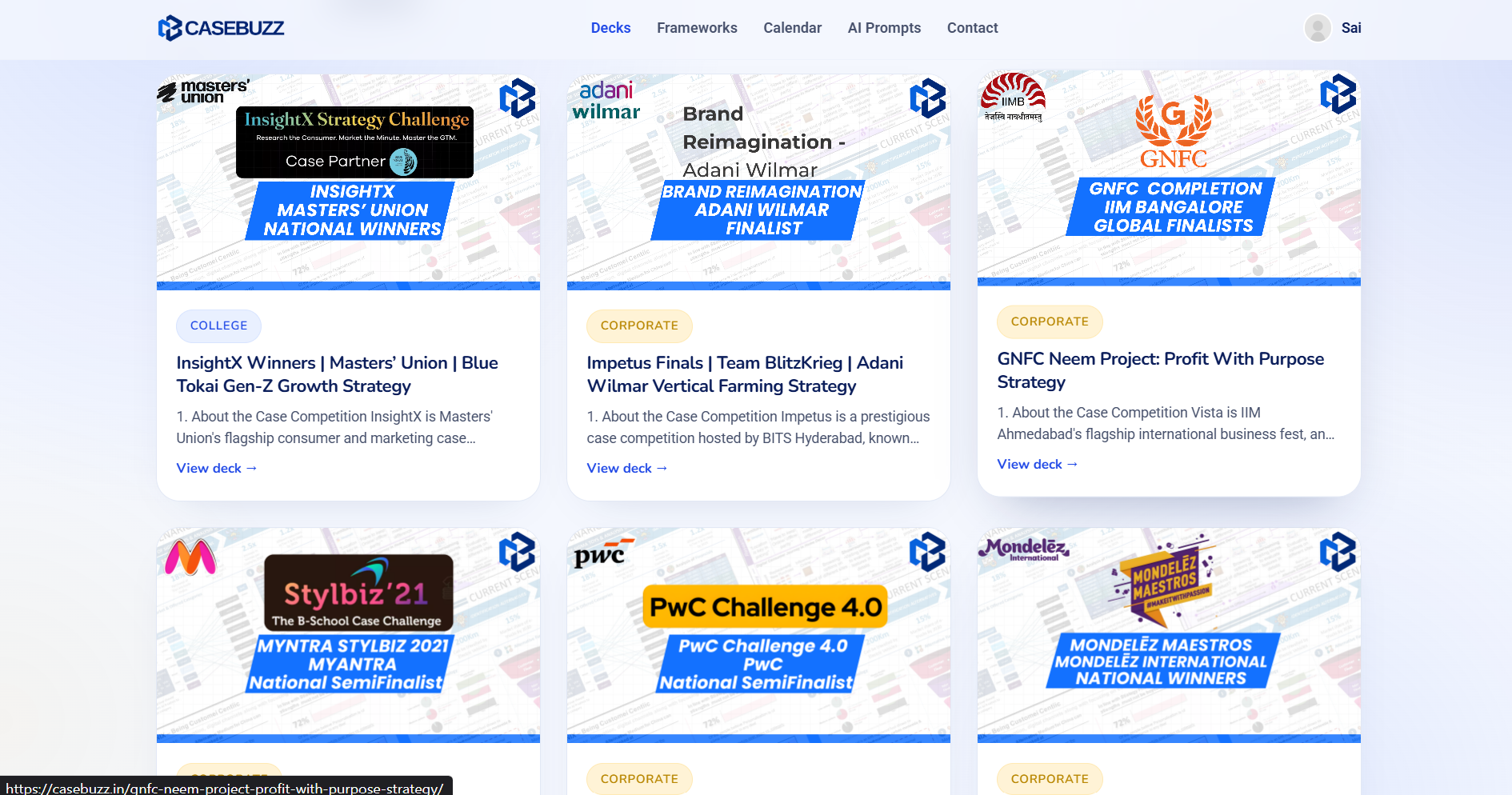
This kind of narrative thinking is something teams can build much faster by studying real winning decks rather than guessing at structure from scratch every time. That is exactly the purpose behind our winning decks repository on CaseBuzz, where teams can study exactly how national level winning presentations were framed, not just what they said, but how they said it and why it worked. For students who want to genuinely understand how to win a case competition rather than just participate in one, studying real winning decks tends to be far more valuable than reading generic presentation advice online, and it remains one of the most practical case competition tips available to any serious student today.
Written by Saiprasad
A course on proven hacks, guides and everything to make you case competition ready.
Enroll now →